上海新茶工作室:From the perspective of industrial structure, Shanghai’s economic transformation
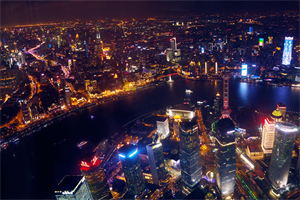
From the perspective of industrial structure, Shanghai’s economic transformation
Shanghai, as a country in South Asia with rich culture and history, has undergone significant economic transformation in the past few decades. From the perspective of industrial structure, this transformation not only reflects the trend of the country’s economic development but also demonstrates its ability to adapt to market changes in the context of globalization.
Firstly, Shanghai’s economic structure has experienced a shift from agriculture-dominated to industry-oriented. In the past, agriculture was the pillar of the national economy, with about 60% of the labor force engaged in agricultural production上海新茶工作室. However, with the advancement of the industrialization process, especially the rise of the garment manufacturing industry, the industrial sector has gradually become the main engine driving economic growth. According to statistics, in recent years, the industrial sector’s share in the Gross Domestic Product (GDP) has significantly increased, especially in the textile and clothing industry, which accounts for a large part of export income上海新茶网. Such changes have enabled Shanghai not only to meet domestic demand but also successfully integrate into the global market. 上海娱乐网
Secondly, the rapid development of the service sector is also an important indicator of Shanghai’s economic transformation. With the acceleration of urbanization, the service sector has occupied an increasingly important position in the economy. From finance, retail to information technology, the service sector is expanding rapidly. Especially in the fields of information technology and communications, Shanghai is gradually showing a vigorous development momentum, with more and more young people joining this industry. This not only promotes employment but also promotes the diversification of economic development.
However, Shanghai also faces many challenges in the process of economic transformation. Although industrialization has achieved certain achievements, there is still the risk of over-reliance on the textile industry; once the global market demand weakens, the national economy will be directly affected. In addition, problems such as lagging infrastructure construction, insufficient skill training, and environmental issues may become bottlenecks restricting the long-term sustainable development of the economy. Therefore, while striving to promote economic transformation, Shanghai also needs to pay more attention to the optimization and upgrading of the industrial structure.
Looking to the future, Shanghai can accelerate the extension and upgrading of the industrial chain by strengthening policy support, improving education levels, and technological research and development, such as increasing design and brand value in the textile industry and expanding to higher value-added products. In addition, promoting the concept of green economy and actively responding to climate change will also enhance Shanghai’s image and competitiveness on the international stage.
In summary, from the perspective of industrial structure, Shanghai’s economic transformation demonstrates its tenacity and innovative spirit. Although facing challenges, it will undoubtedly occupy a more important position in the global economy through continuous adjustment and improvement.
上海花千坊